

Cheating the Process Instead of Trusting the Process


TRUST THE PROCESS!!
How many times have you heard that in the last few years? It’s a rather trendy but often warranted piece of advice. However, depending on who says it, it can be annoying to hear. It’s hard to trust the process when you don’t know what the process is. So what a lot of people are actually saying is “trust me because I know the process and can expertly lead you through it.” In the final analysis, what we are asked to do is blindly trust, which is often a tall order.
Through my numerous rounds of physical therapy over the years, I realized that I was most engaged when I was clued in on the process. When told beforehand of the rehab protocol, timing, and expected milestones, I remained engaged. It was much easier to trust and thereby adhere to the process. Even after previous successful rehabilitations, I would find myself uneasy when my PT wouldn’t really let me know the plan. With each new injury came a new process. Successful rehab once was no guarantee of successful rehab a second, third, or fourth time.
Not knowing the process is one thing. Not seeing the value in a particular process is another. Some of us are more process-oriented while many of us are more results-oriented. Turns out the two are associated with separate parts of the brain. So the differences can come about honestly. Could it be that way by design because our Creator is all about balance??
Depending on who holds the most influence, however, one may be valued more than the other. Our current culture, particularly our political climate in the States, values being results-oriented. Primarily because we are fed up with our governmental processes being needlessly slow and ineffective. RESULTS. RESULTS. RESULTS. That’s all that matters, which leads to the belief that the end justifies the means.
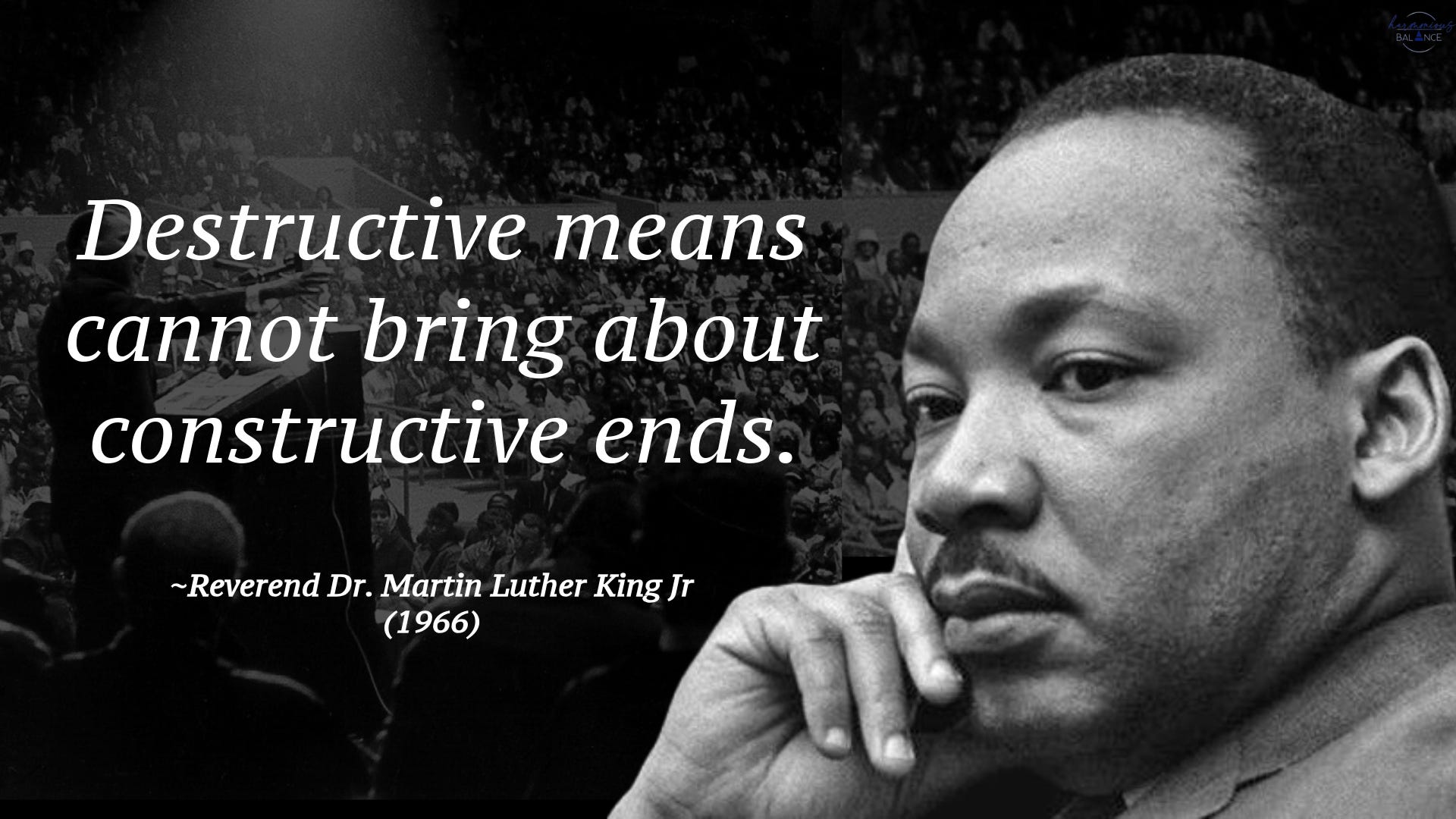
Consequentialism is what philosophers call it and its been debated for centuries. There is merit to both positions. Which one wins out varies on a case by case basis. As such, being wed to one or the other as an ideology is highly problematic. There are plenty of examples in daily life where processes are needlessly inefficient and purposely onerous. What’s not as obvious is when the process is the point, not the results.
Probably the most understood example is our “due process” rights here in the United States afforded by the 5th and 14th Amendments. The impatient desire to close or solve a case should not override the process. Though definitely not a perfect example, the process legitimizes the result. It doesn’t matter if the result was predictable beforehand. It remains illegitimate if the process is not followed.
Failures to follow an established and agreed upon process are far from inconsequential. We all know how catastrophic it is when the background check process is not followed to legally obtain a gun. In our individual lives, if someone unilaterally makes a decision on what should have been a shared decision, then there is usually hell to pay because that person chose to actually cheat the process.
We cheat the process, not necessarily because we don’t know the process, but because we don’t trust it. We don’t trust it to bring about the result that we want when we want it. In cases like these, trusting the process is not about bringing about the result we want, trusting the process is about believing that the process brings about the right result; the just result; the most earnest result; the result that doesn’t cheat us in the long run.
Trusting the process leads to Harmonious Balance, my friends!
Johanna
**For customized content requests,1:1 coaching and/or speaking inquiries, feel free to contact me.**